
Most players chase the loudest bonus meter and call it a plan. That usually wastes bankroll fast.

A better route is narrower: target western-themed slots with jackpots only when the math supports long sessions, not when the screen looks lively. The theme is decoration; the volatility profile decides whether a jackpot hunt is sensible.

Which western jackpot slots reward discipline instead of impulse?

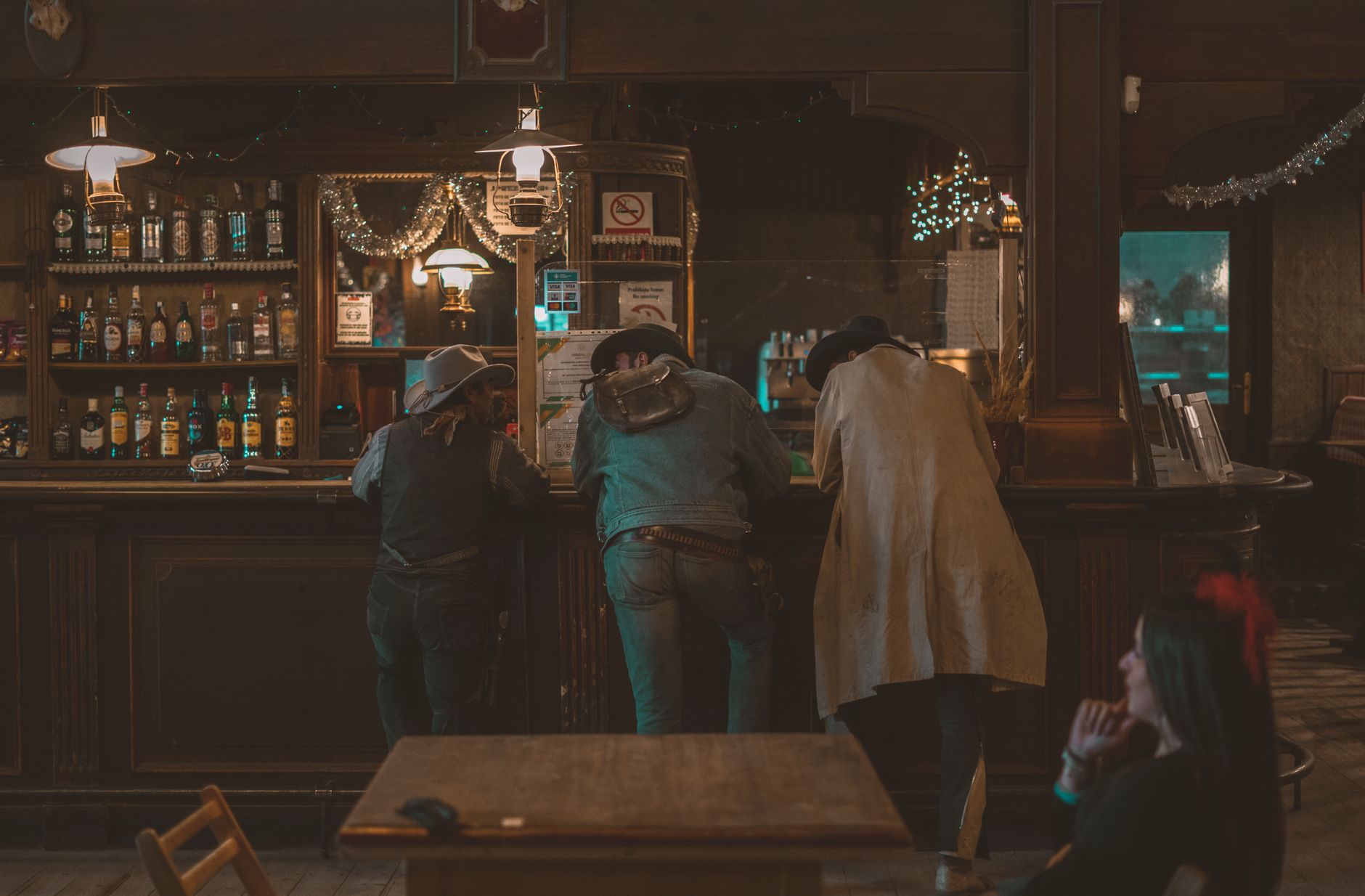
Three titles stand out because they pair recognizable cowboy styling with real jackpot potential and published return figures. Dead or Alive 2 from NetEnt carries an RTP of 96.8% and is known for extreme volatility, which means the base game can feel dry before a feature lands. Wanted Dead or a Wild from Hacksaw Gaming runs at 96.38% RTP and pushes its value into multipliers and feature hits rather than steady base-game payback. Gold Rush by Play’n GO sits at 96.2% RTP and uses a more traditional western setup, but the bonus structure still leans toward sharper swings than casual players expect.
That combination matters because jackpot chasing works best when the slot can survive a long sample without draining the balance too quickly. A western skin alone does nothing for bankroll control.

How should a jackpot hunter size the stake?

The contrarian move is to lower the bet before you raise your expectations. If a player has €100 and wants 200 spins, a €0.50 stake gives a total exposure of €100. At €1 per spin, the same bankroll lasts only 100 spins, which cuts feature chances roughly in half. On volatile western slots, that difference is often the line between seeing a bonus round and never reaching it.

Use one simple rule: set the stake so the bankroll covers at least 150 to 250 spins. For a €120 balance, that means:

  • €0.48 per spin for 250 spins
  • €0.60 per spin for 200 spins
  • €0.80 per spin for 150 spins

That range is not glamorous. It is practical. The point is to stay in the game long enough for the jackpot mechanic to appear, especially on slots where bonus frequency is irregular.

Where does RTP breakdown change the decision?

RTP does not predict a jackpot, but it helps separate fair long-shot play from reckless guessing. A 96.8% slot returns more over time than a 95.5% slot, yet the gap is only visible over large samples. In a 1,000-spin session at €0.50 per spin, the theoretical difference between 96.8% and 95.5% is €6.50 in expected return. Small on paper, yes, but enough to matter when the game is already volatile.

That is why western jackpot slots should be filtered in two steps: first by RTP, then by volatility. A strong RTP with poor volatility can still disappoint if the jackpot is buried behind rare triggers. A slightly lower RTP with a cleaner bonus path may actually play better for a patient hunter.

Slot Provider RTP Risk profile
Dead or Alive 2 NetEnt 96.8% Very high volatility
Wanted Dead or a Wild Hacksaw Gaming 96.38% High volatility, strong multipliers
Gold Rush Play’n GO 96.2% High volatility, classic western bonus flow

Why do most players miss the jackpot window?

They stop too early or chase too hard. Both errors are expensive. A western jackpot slot is not a sprint, and it is not a blind grind either. The smarter play is to predefine a stop-loss and a stop-win before the first spin. For example, on a €150 bankroll, a player might quit at €210 after a strong feature run, or exit at €75 if the balance falls too quickly. That keeps the session tied to numbers instead of emotion.

The market keeps selling spectacle. The edge comes from restraint, from choosing the right western slot, and from accepting that the jackpot is a probability event, not a promise.

Tonybet Lightning Roulette tables — limits and providers.

1. The lowest stakes can drain a bankroll faster than the flashy wheel suggests

Last week I noticed something odd. The smallest Lightning Roulette table on Tonybet looked harmless, yet a string of quick losses did more damage than a longer session at a regular roulette table. The reason is simple: the game moves fast, the side payouts are tempting, and a short losing run arrives before most players have time to adjust.

Lightning Roulette from Evolution Gaming usually sits in a live-casino bracket where the base straight-up bets still follow standard roulette rules, while the Lightning numbers add random multipliers. On Tonybet, that combination makes the table feel more volatile than classic European roulette, even when the minimum stake appears modest. In practice, the real pressure comes from pace, not just from the number on the betting chip.

  1. Minimum stakes: usually friendly enough for test sessions, but the speed can still burn through a balance quickly.
  2. Maximum exposure: the cap on straight-up numbers matters more than casual players expect, because aggressive covering strategies can hit the ceiling early.
  3. Session length: short sessions often hide the true cost of repeated missed hits, especially when multipliers fail to land on your chosen numbers.

2. The provider list is short, but the studio choice changes the feel

Lightning Roulette is most closely associated with Evolution Gaming, and that is the version most players mean when they talk about the game on Tonybet. The live presentation, host pacing, and multiplier reveal all come from Evolution’s studio setup. For players comparing suppliers, that matters more than the brand name on the lobby tile.

For a broader read on the operator, the Tonybet review gives useful context on how the casino handles live games, payment flow, and account rules. The live section is where many players feel the difference between a polished lobby and a table that actually fits a cautious bankroll.

Hacksaw Gaming is a different story altogether. Its reputation comes from high-variance slots rather than live roulette, and a reference point such as Hacksaw Gaming helps separate slot-first design from live-table design. That contrast matters when a player is deciding whether to stay with roulette or chase variance elsewhere.

  1. Evolution Gaming: the core provider behind Lightning Roulette, with the most recognizable live-table presentation.
  2. Studio format: clean camera work and fast rounds, which increase both excitement and bankroll pressure.
  3. Game identity: the multiplier mechanic is the main attraction, not the base roulette wheel.

3. The limits punish flat staking, but reward disciplined coverage

My worst losses on Lightning Roulette came from treating it like a slow, methodical table. It is not that kind of game. Flat staking on a single number can survive a while, but it tends to wobble when the Lightning picks keep missing your chosen spot. Wider coverage spreads risk, yet it also forces the player to respect the table limits.

  1. Single-number play: highest upside, sharpest volatility, and the easiest way to hit a bad streak.
  2. Split or street coverage: smoother balance swings, though the multipliers still decide whether the session feels worthwhile.
  3. Board coverage: better for longer runs, but only if the stake size stays inside the table cap.

Players who chase the Lightning numbers without tracking exposure often discover the same lesson twice. A strong multiplier on the wrong number means nothing. A weak bankroll plan means even a decent hit can fail to recover prior losses.

4. The table behavior on Tonybet is best judged by pacing, not promises

  1. Fast rounds: the game encourages quick decisions, which can be useful for experienced players and dangerous for impulsive ones.
  2. Multiplier volatility: the bonus feature creates headline wins, but the base game still determines long-term pressure on the balance.
  3. Provider consistency: Evolution’s version keeps the experience familiar, which helps players compare real results instead of chasing marketing language.

A careful player reads the table before the first chip goes down. That means checking the minimum, watching how the session feels, and refusing to assume the Lightning feature will rescue a weak position. Tonybet’s Lightning Roulette tables can be entertaining, but the limits and provider setup reward restraint more than bravado.